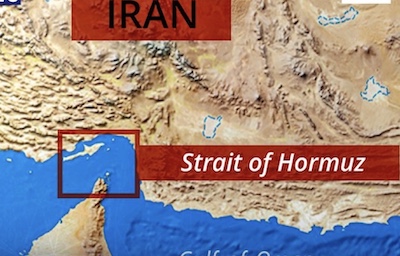
Iran reopens Strait of Hormuz to commercial traffic during the new 10-day ceasefire with Israel and Lebanon.
This development aligns directly with the start of a 10-day ceasefire between Israel and Lebanon, which took effect on April 17, 2026. The announcement signals a rapid shift from heightened tensions to cautious calm in one of the world’s most critical maritime chokepoints.
The decision comes just days after Iran had closed the strait and deployed mines in response to Israeli airstrikes on Lebanese targets. By reopening the waterway, Tehran is effectively rolling back those defensive measures and allowing tankers and cargo ships to resume normal operations without interference. Observers note that the timing is no coincidence, as the truce provides a window for de-escalation across the region.
Iran Reopens Strait of Hormuz in Landmark Move Tied to Israel-Lebanon Ceasefire [X Post}
🚨 I CAN’T BELIEVE THIS IS HAPPENING NOW!!
IRAN HAS JUST FULLY OPENED THE STRAIT OF HORMUZ
In just 30 minutes after this post:
– OIL dumped -10%
– Stocks gained +$800 BILLION
– The S&P 500 set new all-time highsThe MASSIVE scale of what just happened for global markets is… pic.twitter.com/BuJsWdP87n
— ᴛʀᴀᴄᴇʀ (@DeFiTracer) April 17, 2026
Strategic Importance of Iran Reopens Strait of Hormuz Decision
Roughly one-fifth of global oil trade passes through the Strait of Hormuz each year, making its status a barometer for energy market stability worldwide. With the strait now accessible again, shipping companies and oil traders can breathe easier, reducing the risk of immediate price spikes that had loomed during the closure. This move is being interpreted as a practical step toward restoring confidence in international energy supplies.
The broader conflict had drawn in the United States and Iran, with US-brokered talks playing a pivotal role in securing the temporary ceasefire involving Hezbollah. Iranian officials described the reopening as a gesture of goodwill tied to the truce, while regional analysts suggest it could help prevent further escalation if all parties honor the agreement.
Experts are closely watching how this affects oil prices and supply chains in the coming days. The swift reversal highlights how quickly maritime routes can shift in response to diplomatic breakthroughs, offering a brief window of relief for global markets already jittery from ongoing Middle East uncertainties.
For more on global trends check out our Global Trends Page
As the 10-day ceasefire unfolds, the world will be monitoring whether the Iran reopens Strait of Hormuz announcement leads to longer-term stability or remains a short-term measure. For now, the focus remains on safe passage for vessels and the hope that this development supports wider peace initiatives in the region.