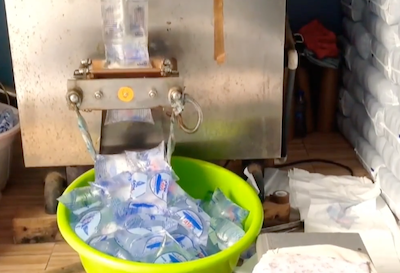
Ghana’s sachet water producers have officially confirmed a major cost adjustment that will directly affect everyday consumers across the country.
The National Association of Sachet and Packaged Water Producers cited ongoing global supply challenges as the key reason for the change, marking the latest development in an industry that supplies affordable drinking water to millions of households daily.
Breaking Down the Ghana Sachet Water Price Hike
Effective Monday, April 6, 2026, a bag of sachet water will now sell at GH¢10 when purchased directly from distribution trucks. The maximum retail price has been set at GH¢15, a noticeable rise aimed at offsetting rising production expenses that producers say they can no longer absorb.
This adjustment follows months of pressure on raw material availability, with the association emphasizing that the increase is necessary to keep operations sustainable amid international market volatility.
Ghana Sachet Water Producers Announce New Prices Starting April 6, 2026 [X Post}
Sachet water to sell at GH¢10 per bag from trucks, maximum GH¢15 at retail from April 6 over global shortage of polymers due to conflict in Iran – National Association of Sachet and Packaged Water Producers#JoyNews #Viral #Explorepage #Ghana #JoyFM #GhanaNews #Ghana #NewsUpdate… pic.twitter.com/NM8QTRyoBt
— Joy 99.7 FM (@Joy997FM) April 2, 2026
The primary trigger is a worldwide shortage of polymers, the key plastic material used to manufacture the thin sachets that dominate Ghana’s pure-water market. Conflict in Iran has severely disrupted petrochemical exports passing through the Strait of Hormuz, creating a ripple effect that has tightened global plastic supply chains and driven up costs for local manufacturers.
Social media platforms have lit up with mixed reactions since the announcement, with many users questioning the timing and wondering why prices are climbing even as some domestic economic indicators show signs of improvement.
Concerns are also growing about the potential impact on low-income families who depend heavily on sachet water as their main source of safe, affordable hydration throughout the day.
As conversations continue online, suggestions for long-term solutions such as investing in locally produced rubber alternatives are gaining traction. For more trending stories in Ghana check out the Trends