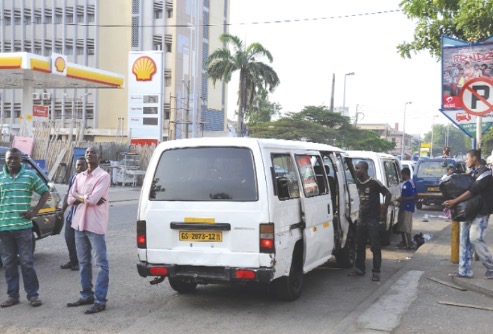
The Ghana Private Road Transport Union (GPRTU) is holding further discussions with the Ministry of Transport today over its proposed increase in public transport fares, with the union maintaining that any negotiated adjustment should not fall below 25 percent, subsequently approving 8% increment.
The GPRTU had initially proposed a 30 percent increase, citing higher fuel prices, spare parts, vehicle maintenance, insurance and other operating costs.
However, no new fare has officially been approved, meaning existing approved fares remain in force while negotiations continue.
GPRTU wants at least 25 percent
The latest development comes after several rounds of discussions between transport operators and government.
The GPRTU says it is still pushing for its original 30 percent proposal but is prepared to negotiate.
According to the union, however, it has indicated that any reduction should not take the proposed increase below 25 percent.
The position means the outcome of Tuesday’s discussions could determine whether commuters eventually face a 25 percent or 30 percent adjustment, or whether another arrangement is reached.
Why transport fares are under pressure
The proposed fare adjustment follows recent increases in petroleum prices.
The National Petroleum Authority raised the price floor for petrol to GH¢16 per litre and diesel to GH¢16.77 per litre from September 16.
Some oil marketing companies subsequently adjusted their pump prices.
The GPRTU has cited fuel prices alongside spare parts, lubricants, insurance, taxes and vehicle maintenance as factors contributing to higher operating costs for commercial transport operators.
Government and transport operators disagree on the size of the increase
The negotiations have produced different positions from stakeholders.
The NPA has expressed concern about the effect of higher transport fares on consumers and inflation.
NPA Chief Executive Godwin Edudzi Tamakloe said government had been engaging transport operators to find ways of managing the pressure without immediately transferring the full cost to commuters.
He previously said the proposed fare increase had been put “on ice” following the engagements.
The GPRTU, however, subsequently clarified that no final agreement had been reached to suspend the proposed adjustment.
COPEC supports some increase
The Chamber of Petroleum Consumers (COPEC) has also weighed in on the issue.
COPEC Executive Director Duncan Amoah said some increase in transport fares could be justified because operators are dealing with higher fuel and maintenance costs.
At the same time, he warned about the potential impact of higher fares on commuters.
The comments add another perspective to the negotiations, with the debate now focusing not only on whether fares should change but also on the size of any adjustment and how the impact on passengers can be managed.
What commuters should know
For now, commuters should not assume that the proposed 25 or 30 percent adjustment has already become an approved national fare.
The GPRTU’s proposal remains subject to negotiations with government.
The union had previously indicated that the existing approved fares remained applicable while the review process was ongoing.
However, reports have previously emerged of some routes charging passengers higher fares despite the absence of a nationally approved adjustment.
This makes the outcome of the current negotiations particularly important for commuters who rely on commercial transport every day.
What happens after the talks?
The outcome of the engagement with the Ministry of Transport is expected to clarify the next step.
The parties could agree on a revised percentage, maintain the original proposal, or adopt another arrangement aimed at balancing the operating costs of transport providers with the financial burden on passengers.
The GPRTU says its position is based on the rising cost of operating commercial vehicles, while government representatives have emphasised the potential effect of fare increases on households and inflation.
Until an official decision is announced, the proposed increase should therefore be treated as a proposal under negotiation, rather than a new approved fare.
GPRTU Holds Final Talks Over Proposed Transport Fare Increase – Key details at a glance
- Organisation: Ghana Private Road Transport Union
- Original proposal: 30% fare increase
- Latest GPRTU position: Increase should not fall below 25%
- Approval was given for 8 percent
- Negotiations: GPRTU and Ministry of Transport
- Petrol price floor: GH¢16 per litre
- Diesel price floor: GH¢16.77 per litre
- Main cost concerns: Fuel, spare parts, maintenance, insurance and taxes
- Current status: No new national fare officially approved
- Next development: Outcome of negotiations with government
GPRTU Holds Final Talks Over Proposed Transport Fare Increase – Frequently Asked Questions
Has the 30 percent transport fare increase been approved?
No. The proposed increase remains subject to negotiations between the GPRTU and government. Existing approved fares remain in force until a new fare structure is officially announced.
What increase is the GPRTU asking for?
The union initially proposed a 30 percent increase but has indicated that, if negotiations require a reduction, it would not want the figure to fall below 25 percent.
Why does the GPRTU want higher fares?
The union has cited higher fuel prices and other operating costs, including spare parts, maintenance, lubricants, insurance and taxes.
Will transport fares definitely increase?
That will depend on the outcome of negotiations between the transport operators and government. No new national fare has been officially approved at the time of publication.
The transport-fare negotiations will be closely watched because any eventual adjustment could affect millions of Ghanaians who depend on commercial transport for work, school and daily activities.
External Authority:
MyJoyOnline — GPRTU latest fare negotiations