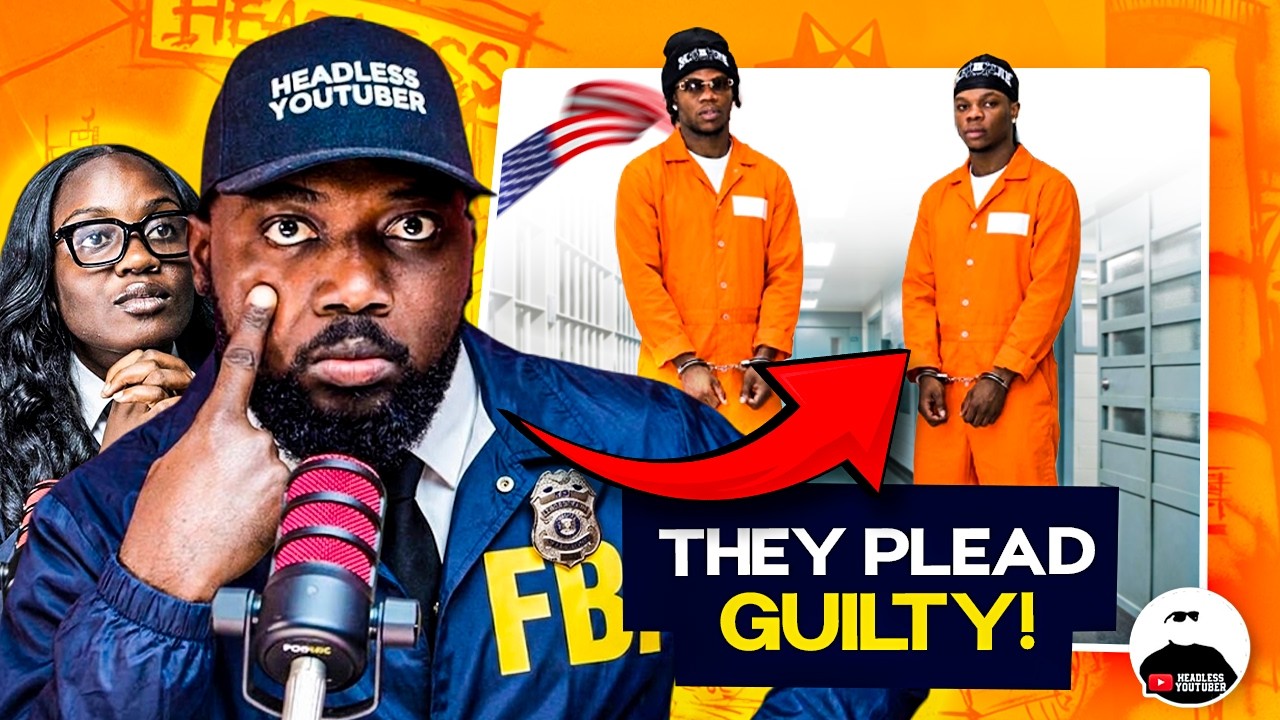
Ghanaian twin brothers Jamal Abubakari, known as “Arrangement”, and Kamal Abubakari, known as “Lancaster”, have pleaded guilty in the United States to conspiracy to commit wire fraud over a romance scam that cost mostly older victims more than US$9 million.
The 22-year-old twins entered their pleas on October 13, 2026, in the case brought by the U.S. Attorney’s Office for the Northern District of Ohio. Their co-defendant, Amanda Joy Opoku-Boachie, 53, of Kula, Hawaii, pleaded guilty to the same charge on October 20, 2026.
Each of the three faces a maximum sentence of 20 years in prison. The brothers are due to be sentenced on February 9, 2027, and Opoku-Boachie on February 10, 2027.
The guilty pleas were announced by U.S. Attorney David M. Toepfer and have become one of the most talked-about stories on Ghanaian social media this week, given the twins’ flashy online profiles.
How the $9 million romance scam worked
According to U.S. prosecutors, the scheme ran from about July 2024 to April 2026.
Members of the network created fake personas on dating websites and social media to build romantic or close relationships with older Americans. They then used made-up stories to persuade victims to wire money to bank accounts controlled by the group.
Some of the money was then passed on to co-conspirators in Ghana and other countries, prosecutors said.
Victims in 25 US states, Germany and Austria
Victims lost more than US$9 million in total. Some lived in northern Ohio, including Edgerton in Williams County, which is why the case is being handled by federal prosecutors in Ohio.
Other victims lived in 24 other US states, as well as in Germany and Austria.
Lancaster and Arrangement case in figures
- Amount lost by victims: more than US$9 million
- Period of the scheme: about July 2024 to April 2026
- Defendants: 3 (Jamal Abubakari, Kamal Abubakari, Amanda Joy Opoku-Boachie)
- Charge: conspiracy to commit wire fraud
- Maximum sentence: 20 years in prison each
- Victim locations: Ohio plus 24 other US states, Germany and Austria
- Sentencing dates: February 9, 2027 (twins) and February 10, 2027 (Opoku-Boachie)
Luxury watches and jewellery to be forfeited
As part of their plea agreements, all three defendants agreed to forfeit jewellery seized when they were arrested.
The items include luxury timepieces and high-end watches, rings, chains, medallions and earrings, as well as a French luxury handbag.
Arrest in Virginia and indictment
The twins and Opoku-Boachie were arrested in Virginia, and the indictment was made public in May 2026, when the case first drew wide attention in Ghana.
The FBI’s Cleveland Division led the investigation, with significant help from the Justice Department’s Office of International Affairs. Assistant U.S. Attorneys Brian M. McDonough and Elliot Morrison are prosecuting the case. Full details are in the US Department of Justice press release.
Ghanaian agencies credited by the US
The U.S. Attorney thanked eight Ghanaian bodies for their help in the case:
- Office of the Attorney-General
- Economic and Organised Crime Office (EOCO)
- Ghana Police Service
- Cyber Security Authority
- Narcotics Control Commission (NACOC)
- Financial Intelligence Centre
- Ghana Immigration Service
- National Intelligence Bureau
The recognition follows recent joint action against cyber fraud in Ghana, including the FBI-backed raid on a scam compound in Ghana earlier this month. Communications Minister Sam George has publicly insisted that Ghanaian law enforcement and intelligence led the Cyberhunt operations.

What the guilty plea means for Ghana’s youth and online fraud
The case adds to a growing list of young Ghanaians facing prison in the US over romance scams, a crime often called “sakawa” locally.
For young people tempted by quick online money, the case shows that US and Ghanaian agencies are now working closely together, and that flashy assets bought with fraud proceeds can be seized.
For families with elderly relatives abroad, it is a reminder to be cautious of online partners who quickly ask for money for emergencies, travel or investments.
What happens next for Lancaster and Arrangement
A federal judge will decide the sentences after reviewing the US Sentencing Guidelines and other legal factors. The 20-year term is the maximum, not an automatic sentence.
Sentencing for the twins is set for February 9, 2027, while Opoku-Boachie will be sentenced the next day. The case falls under the US Elder Justice Initiative, which targets fraud against older people.
Summary points of the Story: Lancaster and Arrangement Plead Guilty in $9 Million US Romance Scam, Face Up to 20 Years
- Twins Jamal (“Arrangement”) and Kamal (“Lancaster”) Abubakari, both 22, pleaded guilty on October 13, 2026.
- Hawaii resident Amanda Joy Opoku-Boachie, 53, pleaded guilty on October 20, 2026.
- The charge is conspiracy to commit wire fraud, carrying up to 20 years in prison.
- Victims, mostly older Americans, lost more than US$9 million between July 2024 and April 2026.
- The defendants will forfeit luxury watches, chains, rings and other jewellery.
- Eight Ghanaian agencies, including EOCO and the Cyber Security Authority, were credited for helping.
- Sentencing is scheduled for February 9 and 10, 2027.
FAQs – Lancaster and Arrangement Plead Guilty in $9 Million US Romance Scam, Face Up to 20 Years
What did Lancaster and Arrangement plead guilty to?
The Ghanaian twins pleaded guilty to conspiracy to commit wire fraud over a romance scam that cost victims more than US$9 million.
How many years will Lancaster and Arrangement get?
They face a maximum of 20 years in prison each. A US federal judge will decide the actual sentence on February 9, 2027.
Where were Lancaster and Arrangement arrested?
The twins and their co-defendant were arrested in Virginia, USA, and the case is being prosecuted in the Northern District of Ohio.
The guilty pleas by Lancaster and Arrangement close the trial phase of one of the biggest Ghana-linked romance fraud cases of 2026, with the twins now awaiting sentencing in February 2027 and facing up to 20 years each for a scheme that drained more than US$9 million from mostly elderly victims.