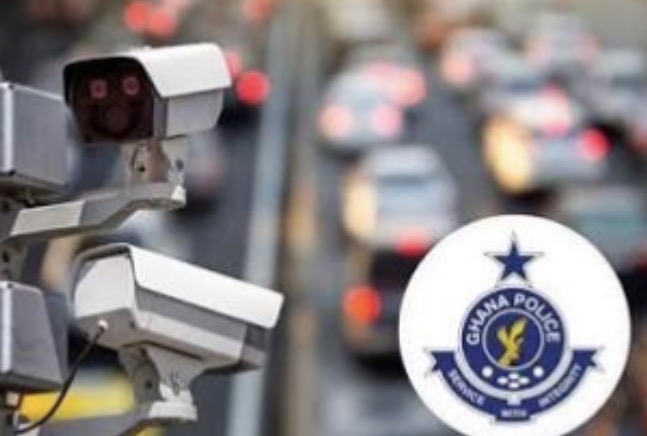
The Ghana Police Service’s Motor Traffic and Transport Department (MTTD) switched on TraffiTech-GH, its camera-based speeding enforcement system, on Sunday, November 1, 2026.
Motorists caught speeding will now receive electronic violation notices by SMS and have 14 days to pay the fine or contest it in court.
The launch ends a warning period in which the MTTD issued more than 70,000 caution notices between September 10 and October 31, 2026. Police say they have now moved into what they call a “deterrent mode.”
ACP Alexander Kwaku Obeng, MTTD Director of Education, Research and Training, confirmed the rollout on Sunday. “We are set, everything is ready, and we are taking off,” he said.
Full enforcement was first planned for October 1, 2026, but police moved the start to November 1 to allow more time for public education.
TraffiTech-GH speeding cameras now active on Ghana roads
Under the system, cameras mounted in police vehicles and on tripods record vehicles going above the legal speed limit. In the first phase, the cameras are targeting locations known to be prone to road crashes.
The MTTD processes the footage and sends a notice to the phone number of the registered vehicle owner. Officers do not need to stop the driver, impound the vehicle or take anyone to a police station or motor court.
“We have deployed. We hope people will be admonished,” ACP Obeng said on Channel One TV’s Breakfast Daily, adding that “our vehicles are embedded with the cameras.”
Speed limits enforced under TraffiTech-GH
The cameras are checking motorists against these limits:
- Built-up areas and towns: 50 km/h
- Highways: 90 km/h
- Motorways: 100 km/h
How TraffiTech-GH speeding fines work
Each electronic notice of violation comes from the sender ID “GPS MTTD”. It names the alleged offence, the vehicle’s registration number, and the date, time and location. It also includes a link to the video evidence.
Vehicle owners have 14 days from receiving a notice to pay or challenge it in court. Police have said that owners who default pay an extra 1% of the original fine for every day the fine goes unpaid.
ACP Obeng said the system was built mainly to tackle speeding and will not replace manual enforcement of other traffic offences. He said speeding causes about 60% of road deaths and serious injuries in Ghana.
- Caution notices issued (September 10 – October 31): more than 70,000
- Time to pay or contest a notice: 14 days
- Penalty for late payment: 1% of the fine per day of default
- Share of road deaths and serious injuries linked to speeding: about 60%, according to the MTTD
Transport operators’ strike threat over TraffiTech-GH
The rollout comes after commercial transport groups threatened to suspend services nationwide from November 1. The Joint Transport Front, made up of the GPRTU of TUC, the Commercial Transport Operators of Ghana and the Concerned Drivers Association of Ghana, says the government must first clear traders from bus stops and walkways.
They named Kaneshie, Circle, Madina, Kasoa and Kejetia among the areas affected. “You cannot digitalise illegality,” the groups said in their October 31 statement. GhanaTrends earlier reported on the drivers’ threatened nationwide strike from November 1.
ACP Obeng said the MTTD had engaged transport stakeholders and run public education campaigns before the launch. He said some operators had welcomed the digital approach.
What TraffiTech-GH means for drivers and vehicle owners
Any vehicle caught speeding can now get a fine, even if no police officer stops it. Vehicle owners should make sure their phone numbers are correctly registered so they receive notices.
Paying within 14 days avoids the daily surcharge. Owners who believe a notice is wrong can use the video link to check the evidence and contest the offence in court.
What happens next
Police say enforcement will focus first on crash-prone locations. The MTTD also plans to cut roadside arrests for speeding as more handheld radar guns come into use.
All eyes are on the transport unions to see whether they carry out their threat to park vehicles, and on how the government responds to their demand to clear traders from lorry stations and bus stops.
Summary of story: TraffiTech-GH Goes Live: Speeding Drivers Now Get SMS Fines After 70,000 Caution Notices
- TraffiTech-GH went live on Sunday, November 1, 2026.
- Cameras in police vehicles and on tripods are detecting speeding.
- Notices come by SMS from “GPS MTTD” and include a video evidence link.
- Owners have 14 days to pay or contest; defaulters pay an extra 1% per day.
- Speed limits: 50 km/h in towns, 90 km/h on highways, 100 km/h on motorways.
- More than 70,000 caution notices were issued from September 10 to October 31.
- Transport groups have threatened a nationwide suspension of services over the rollout.
FAQs: TraffiTech-GH Goes Live: Speeding Drivers Now Get SMS Fines After 70,000 Caution Notices
When does TraffiTech-GH start in Ghana?
TraffiTech-GH went live on Sunday, November 1, 2026, after police moved it from its original October 1 start date to allow more public education.
How will I know if I have a TraffiTech-GH fine?
The registered vehicle owner receives an SMS from the sender ID “GPS MTTD”. It gives the offence, the date, time and location, and a link to the video evidence.
How long do I have to pay a TraffiTech-GH fine?
You have 14 days to pay or contest the notice in court. After that, an extra 1% of the fine is added for every day of default.
TraffiTech-GH marks Ghana’s move from roadside stops to camera-based speeding enforcement. Police say the 70,000 caution notices are behind them and fines are now being issued. With transport operators still unhappy about the rollout, the coming days will show whether drivers comply and whether the threatened strike goes ahead.