Ghana is stepping up efforts to develop its Blue Economy, with the Ministry of Fisheries and Aquaculture Development calling for stronger collaboration between scientists, researchers, government and coastal communities.
The initiative is aimed at developing practical solutions to protect Ghana’s ocean, strengthen fisheries and secure livelihoods that depend on marine and coastal resources.
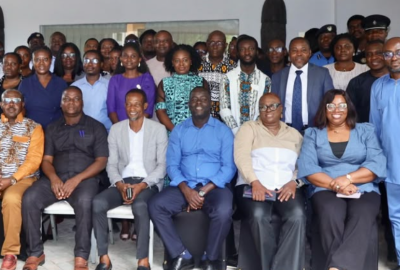
Fisheries and Aquaculture Development Minister Emelia Arthur made the call during the Ghana Science Association’s 20th biennial workshop in partnership with the Africa Ocean Institute of the University of Cape Coast.
Ghana Moves to Protect Ocean and Expand Blue Economy Opportunities [DETAILS]
Ghana Blue Economy: Government Seeks Science-Based Solutions
The minister has proposed the establishment of a joint technical body between the Ministry of Fisheries and Aquaculture Development and the Ghana Science Association.
The proposed body would support collaboration in areas including fish-stock assessment, climate adaptation and coastal resilience.
The move comes as Ghana faces several threats to its marine environment, including illegal mining, destructive fishing practices and other activities affecting the country’s rivers, ocean and coastline.
According to the Ministry, addressing these challenges requires cooperation across several sectors rather than isolated interventions.
What Is Ghana’s Ocean Economy?
The Blue Economy refers broadly to economic activities connected to oceans, seas, rivers and other aquatic resources while seeking to ensure their sustainable use.
For Ghana, the sector includes fisheries, aquaculture, marine research, coastal activities and other areas connected to aquatic resources.
The government is seeking to develop a framework that can help Ghana gain greater economic value from these resources while protecting the environment.
Blue Economy Commission Bill Moves Forward
A significant development announced at the workshop is progress towards establishing a stronger institutional framework for Ghana’s Blue Economy.
The Ministry said a draft Blue Economy Commission Bill has been prepared and technically reviewed by a 19-member intersectoral committee.
The draft is now undergoing stakeholder engagement ahead of validation and submission to Cabinet and Parliament, with the process expected to continue into October 2026.
Marine Jobs in Ghana and Food Security Among Expected Benefits
Supporters of a stronger Blue Economy framework point to its potential contribution to food security, employment and innovation.
The Ghana Science Association said a resilient Blue Economy could help strengthen food security, reduce dependence on imported fish and create jobs.
Marine technologies could also play a growing role.
The association highlighted areas such as artificial intelligence, smart systems, advanced breeding technologies and other innovations that could improve productivity and resource management.
Coastal Communities to Play a Role
The government and researchers are also emphasising the importance of including communities that depend directly on Ghana’s aquatic resources.
The Fisheries Minister said fisherfolk and coastal communities should be treated as partners whose practical knowledge can complement scientific research.
This approach is intended to ensure that policies and technologies respond to the realities faced by people whose livelihoods depend on the ocean and coastal resources.
Scientists Urged to Move Beyond Research Papers
The Fisheries Minister also challenged scientists and researchers to translate their findings into practical recommendations that government and other stakeholders can implement.
The goal is to bridge the gap between academic research and policy.
The Ghana Science Association has similarly called for investment in fisheries science, stock assessment, fisheries data, ocean observation, digital technology, climate science and aquaculture research.
Key Details at a Glance
- Sector: Ghana’s Blue Economy
- Lead ministry: Fisheries and Aquaculture Development
- Minister: Emelia Arthur
- Proposed initiative: Joint technical body with Ghana Science Association
- Focus: Fisheries, climate adaptation and coastal resilience
- Draft legislation: Blue Economy Commission Bill
- Bill status: Under stakeholder engagement
- Expected process: Validation and submission to Cabinet and Parliament
- Potential areas: Food security, jobs, fisheries and marine technology
Why Ghana’s Ocean Matters
Ghana’s coastline and aquatic resources support communities, businesses and livelihoods across the country.
However, environmental degradation and pressure on fisheries resources have raised concerns about the long-term sustainability of the sector.
The Blue Economy initiative therefore combines economic development with environmental protection.
The government says stronger collaboration between policymakers, scientists, industry and coastal communities will be necessary to make the sector sustainable.
Frequently Asked Questions
What is Ghana’s Blue Economy?
It refers to sustainable economic activities and opportunities connected to Ghana’s oceans, coastal areas and aquatic resources.
What is the Blue Economy Commission Bill?
It is a proposed legislative framework intended to strengthen the governance and coordination of Ghana’s Blue Economy.
Can Ghana’s Blue Economy create jobs?
Stakeholders say sustainable fisheries, aquaculture, marine technology and related activities have potential to contribute to employment and economic activity.
Why are scientists involved?
The government says scientific research is important for areas such as fish-stock assessment, climate adaptation, coastal resilience and sustainable management of aquatic resources.
Ghana’s latest Blue Economy push places science, legislation and community participation at the centre of efforts to protect the country’s ocean while developing new economic opportunities.