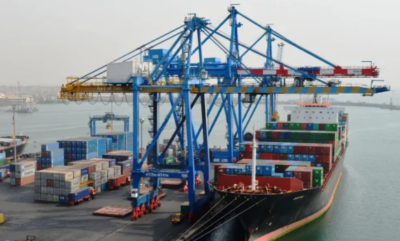
The Importers and Exporters Association of Ghana (IEAG) has called for an urgent meeting between the government and key port stakeholders over reports that some shipping lines and their agents are charging above the approved GH¢720 container administrative charge.
The association says the alleged charges above the regulatory ceiling are increasing the cost of doing business at Ghana’s ports and creating uncertainty for importers and exporters.
The latest dispute has brought renewed attention to the cost of clearing goods through Ghana’s ports, particularly as businesses continue to face pressure from logistics and operational expenses.
GH¢720 container charge dispute escalates
The GH¢720 container charge is currently the regulatory ceiling for the Container Administrative Charge, also referred to as the local handling charge, for both import and export containers measured by Twenty-Foot Equivalent Unit (TEU).
The IEAG says the directive remains valid and that the Ghana Shippers’ Authority has instructed shipping lines and their agents to comply with the approved ceiling.
However, the association says it continues to receive reports of shipping lines imposing charges above the approved amount.
The issue has prompted the association to ask the Transport Ministry to bring the various stakeholders together to find a resolution.
Importers want urgent stakeholder meeting
IEAG President Samson Asaki Awingobit said the association is concerned that charges above the approved ceiling could undermine efforts to make Ghana’s ports more competitive.
The association wants the meeting to involve the Ghana Shippers’ Authority, shipping lines, shipping agents, freight forwarders, importers and exporters.
The proposed engagement is intended to prevent the dispute from affecting the movement of goods and wider international trade.
The association argues that a predictable charging system is important for businesses that depend on the ports to import raw materials, machinery and finished goods.
Why the GH¢720 charge matters
Port-related charges form part of the overall cost businesses incur before imported goods reach the Ghanaian market.
When those costs rise, importers may have to absorb the additional expense or pass some of it on to consumers.
This makes the dispute over the GH¢720 container administrative charge relevant beyond the shipping industry.
Manufacturers, wholesalers, retailers and consumers can all be affected by changes in the cost of moving goods through the country’s ports.
The Ghana Shippers’ Authority has previously defended the regulatory ceiling as part of efforts to improve transparency and predictability in shipping-related charges.
Court ruling previously upheld the directive
The dispute is not entirely new.
In July, an Accra High Court dismissed an application seeking to stop implementation of the Ghana Shippers’ Authority’s administrative charge directive.
The Ghana News Agency reported that the court found the directive had already taken effect and that blocking it would interfere with the Authority’s statutory regulatory mandate.
The Ghana Shippers’ Authority subsequently directed shipping lines and agents to comply with the GH¢720 ceiling.
That legal background is significant because the current complaint from importers is about alleged continued charges above the approved limit.
Port congestion adds another challenge
The IEAG’s concerns extend beyond the disputed container charge.
The association also says persistent congestion at Tema Port is contributing to traffic involving vehicles and trade within the port enclave and surrounding areas.
It has asked the Ghana Ports and Harbours Authority to consider using some spaces currently leased to private businesses for additional container terminal facilities when selected leases expire.
According to the association, additional terminal capacity could improve cargo handling, reduce congestion and make it easier for goods and vehicles to move through the port.
The proposal comes as Ghana seeks to strengthen its position as a regional trade and logistics hub.
Security concerns also raised
The IEAG has also called for stronger security around the ports.
The association says there was a recent isolated attack involving transporters and individuals offloading cargo, and it believes stronger security is necessary to support the government’s 24-hour economy policy.
Round-the-clock port operations require businesses, transport operators and workers to have confidence that cargo movement can take place safely.
The association therefore wants security considerations to form part of the wider discussion on improving Ghana’s port operations.
Digital services and customs systems
The IEAG also raised concerns about digital services at the ports, calling on the Ghana Revenue Authority to strengthen its payment and digital platforms.
The association referred to a reported week-long disruption of government digital services at the port.
At the same time, it expressed support for the Publican Artificial Intelligence Trade Solution, saying the system had improved customs valuation and revenue mobilisation.
According to the IEAG, approximately 366,000 import declarations had been analysed, while assessed customs collections increased by more than US$300 million between the pilot phase and the rollout period ending July 17, 2026.
The association nevertheless wants improvements to the appeals process and valuation database to ensure legitimate importers can obtain timely redress when disputes arise.
What happens next?
The immediate issue is whether the Transport Ministry will convene the stakeholder meeting requested by the IEAG.
A successful engagement would need to address both compliance with the GH¢720 ceiling and broader concerns about congestion, security and the efficiency of port operations.
For importers and exporters, the objective is straightforward: predictable charges, efficient cargo clearance and a reduction in unnecessary costs.
For government and regulators, the challenge is to enforce the existing rules while maintaining an environment that allows Ghana’s ports to remain competitive.
Importers Demand Action Over GH¢720 Container Charge – Key details at a glance
- Current CAC ceiling: GH¢720 per TEU.
- Association raising concern: Importers and Exporters Association of Ghana.
- IEAG President: Samson Asaki Awingobit.
- Demand: Urgent stakeholder meeting.
- Stakeholders requested: Transport Ministry, Ghana Shippers’ Authority, shipping lines, agents, freight forwarders, importers and exporters.
- Other concern: Congestion at Tema Port.
- Court position: A July High Court ruling cleared the way for enforcement of the GH¢720 directive.
- Digital trade system: IEAG says approximately 366,000 import declarations had been analysed.
FAQ on Story: Importers Demand Action Over GH¢720 Container Charge
What is the GH¢720 container charge in Ghana?
The GH¢720 charge is the regulatory ceiling for the Container Administrative Charge per Twenty-Foot Equivalent Unit for import and export containers.
Why are Ghanaian importers complaining about the container charge?
The IEAG says some shipping lines and agents are allegedly charging above the approved ceiling, which it says increases the cost of doing business and creates uncertainty for importers and exporters.
Is the GH¢720 container charge still valid?
Yes. The Ghana Shippers’ Authority has maintained that the directive is in force, and an Accra High Court previously dismissed an application seeking to halt its implementation.
The renewed dispute over the GH¢720 container charge puts Ghana’s port competitiveness back in the spotlight. With importers calling for an urgent stakeholder meeting, the next step will be whether regulators, shipping companies and industry representatives can resolve the disagreement while keeping cargo movement efficient and predictable.
More trending news on GhanaTrends
More on Citi Newsroom report