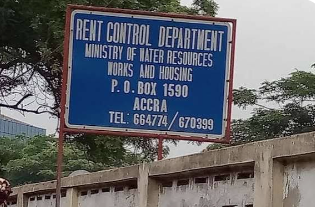
The United Nations Special Rapporteur on the right to adequate housing, Koldo Casla, has urged the Government of Ghana to strengthen the Rent Control Department so it can monitor rents and curb arbitrary increases, warning that about 31 per cent of Ghana’s urban population now lives in informal settlements.
Mr Casla made the call in a statement issued in Accra at the end of a 12-day official visit to Ghana. The statement, released by the UN human rights office (OHCHR) and reported by the Ghana News Agency at the weekend, says unaffordable formal housing is pushing many Ghanaians into informal settlements and substandard homes.
He also called for tenants to be protected from extortionate rent advances and for an end to forced evictions carried out without prior consultation and proper compensation.
The UN expert will present a detailed report on his findings to the UN Human Rights Council in March 2027.
UN calls for stronger Rent Control Department in Ghana
Mr Casla said the Rent Control Department should be given the logistics and resources it needs to boost its operations.
He urged the government to strengthen institutional mechanisms to monitor rents and curb arbitrary increases, which the statement says place a heavy burden on tenants.
The recommendation comes as many tenants, particularly in Accra, continue to complain about landlords demanding one to two years’ rent in advance. Ghana’s Rent Act, 1963 (Act 220) limits rent advance to six months, but enforcement remains a long-standing concern.
Housing in Accra at “stratospheric prices”
Mr Casla said much of the housing construction and physical transformation he observed during the visit was taking place primarily in Accra.
He noted billboards across the capital advertising real estate “at stratospheric prices far from the reach of the average Ghanaian.”
According to the OHCHR statement, many of these properties are vacant, and construction in wealthy parts of Accra appears to serve speculative financial ends rather than the right to adequate housing.
Ghana housing figures in the UN statement
The statement sets out the scale of Ghana’s housing challenge:
- Informal settlements: about 31% of the urban population
- Homelessness: conservatively estimated at around 100,000 people, including 60,000 children
- Renters nationwide: more than one-third of Ghanaians
- Renters in urban areas: over 40%
- Construction sector: employs hundreds of thousands of people and contributes an estimated 7% to 15% of GDP
Forced evictions and climate risks
“The threat of forced evictions without prior consultation and proper compensation must end,” Mr Casla said.
He also urged authorities to prepare local governments to mitigate flooding and other climate-related disasters. The statement notes drought affecting northern communities, flooding in the south and rising temperatures in informal settlements.
He called on the international community to support Ghana’s efforts under the principle of common but differentiated responsibilities.
UN expert welcomes recent housing policies
Despite the concerns, Mr Casla welcomed recent housing policies in Ghana and praised the country’s diplomatic leadership on reparations for historical injustices.
He urged authorities to listen more actively to people living in poverty when designing housing policy. The UN statement comes days after President Mahama directed that GH¢1 billion be allocated in the 2027 Budget to a GH¢3 billion National Housing Fund to expand access to affordable homes and rental support.
The full statement is available on the UN human rights office (OHCHR) website.
What it means for tenants in Ghana
For the more than one-third of Ghanaians who rent, the UN recommendations add international weight to long-running calls for tighter regulation of rents and rent advances.
A better-resourced Rent Control Department could mean stronger monitoring of rent increases and more support for tenants in disputes with landlords, especially in urban areas where over 40% of residents rent.
For residents of informal settlements, the call to end forced evictions without consultation and compensation is particularly significant.
What happens next
Mr Casla will present a detailed report on his visit to the UN Human Rights Council in March 2027.
The government had not publicly responded to the recommendations at the time of the reports. Any changes to rent control funding or housing policy would likely be reflected in the 2027 Budget and related housing programmes.
Key details at a glance
- Who: Koldo Casla, UN Special Rapporteur on the right to adequate housing
- What: Urged Ghana to strengthen the Rent Control Department and curb arbitrary rent increases
- Visit: 12-day official visit to Ghana, ending with a statement in Accra
- Informal settlements: about 31% of urban residents
- Homelessness: about 100,000 people, including 60,000 children (conservative estimate)
- Renters: over one-third of Ghanaians; over 40% in urban areas
- Next step: Full report to the UN Human Rights Council in March 2027
FAQs
What did the UN say about rent control in Ghana?
UN housing expert Koldo Casla urged Ghana to give the Rent Control Department the logistics and resources it needs and to strengthen mechanisms to monitor rents and curb arbitrary increases.
How many Ghanaians live in informal settlements?
According to the UN statement, about 31 per cent of Ghana’s urban population lives in informal settlements.
How much rent advance can a landlord take in Ghana?
Ghana’s Rent Act, 1963 (Act 220) limits rent advance to six months. The UN expert has called for tenants to be protected from extortionate rent advances.
The UN Special Rapporteur’s visit has put fresh focus on Ghana’s housing affordability gap, from high rent advances and arbitrary increases to informal settlements and homelessness. His call to strengthen the Rent Control Department, end forced evictions without compensation and put people living in poverty at the centre of housing policy will feed into a full report to the UN Human Rights Council in March 2027.