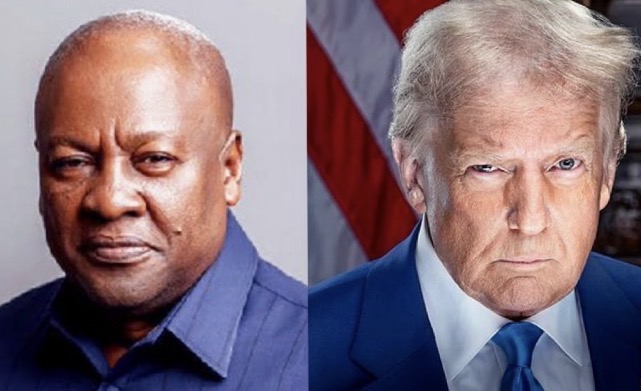
In a significant move that underscores Ghana’s commitment to protecting national sovereignty, the country has officially rejected a proposed US bilateral health agreement.
The decision, reported on April 28, 2026, stems primarily from concerns over clauses that would require sharing sensitive health data of Ghanaian citizens. This development marks the latest setback for the current US administration’s efforts to reshape foreign health partnerships across Africa.
Why Ghana Rejected the Proposed US Health Deal [X Post]
Government officials balked at the terms demanding long-term access to citizens’ health information, viewing them as overly intrusive and lacking sufficient safeguards. Sources familiar with the negotiations indicate that Ghana was unwilling to compromise on data privacy and national control, even as the deal was framed as health aid support.
This position aligns Ghana with other African countries such as Zambia and Zimbabwe, which have also pushed back against similar bilateral health arrangements involving extensive data-sharing requirements. Observers note that these rejections reflect broader concerns across the continent about one-sided agreements that prioritize external access over reciprocal benefits and local data protection.
The rejection highlights ongoing tensions in US-Africa health cooperation, particularly around issues of trust, transparency, and mutual respect. While health partnerships remain important for both sides, Ghana’s firm stance sends a clear message that any future agreements must fully respect national interests and citizen privacy.
Experts believe this decision could influence how other African nations approach future bilateral health deals, potentially leading to more balanced negotiations that better protect sensitive health data while still allowing beneficial collaboration.