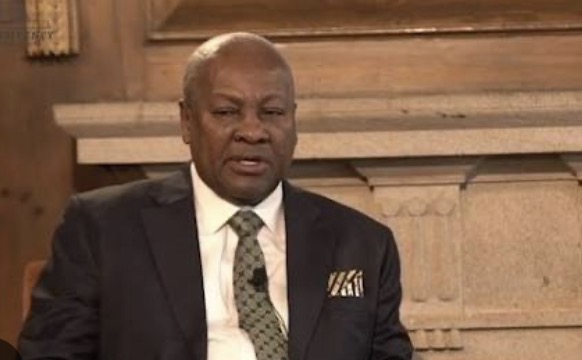
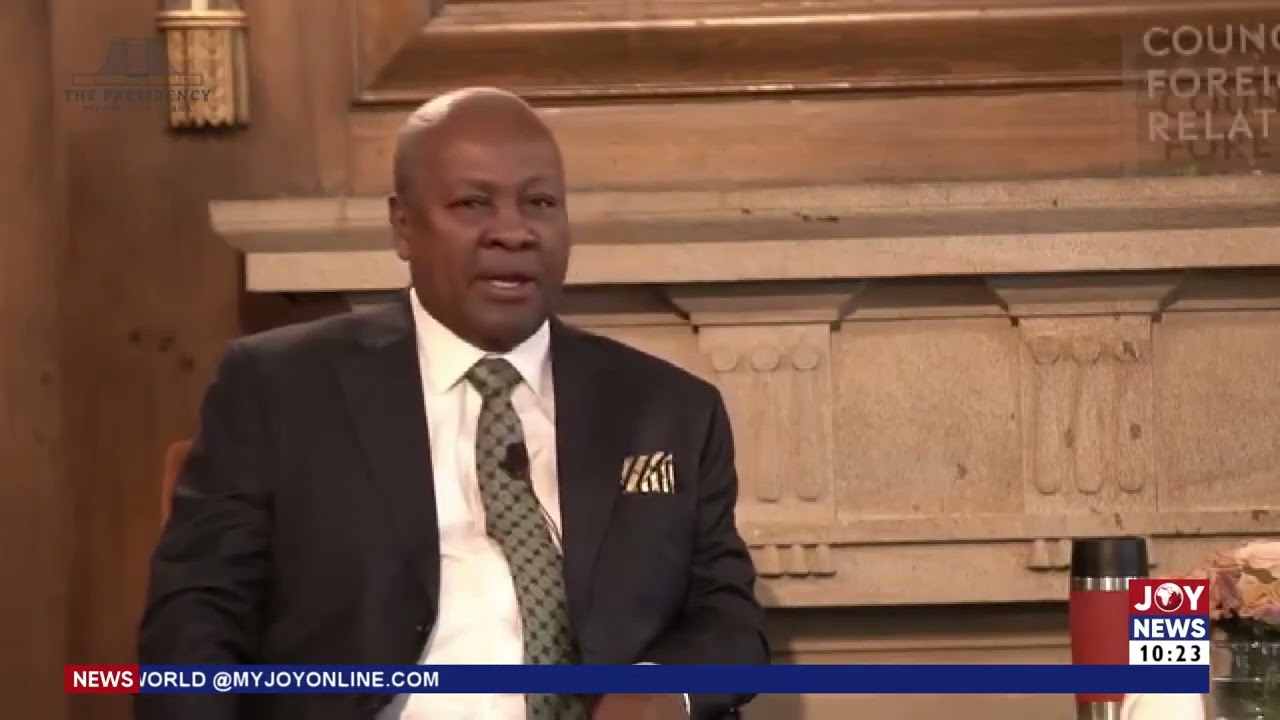
President John Dramani Mahama says Ghana rejected a proposed health compact with the United States because it required the country to hand over its pathogen profile and medical records, and to exempt US-supplied medicines from inspection by the Food and Drugs Authority (FDA). Speaking at the Council on Foreign Relations in New York, he described the terms as “humiliating.”
The President’s comments, reported on Monday, September 28, 2026, give the clearest explanation yet of why Accra turned down the agreement, which was meant to replace health funding previously delivered through USAID.
“It states that we shall give the United States our pathogen profile. It also says we should give our medical records. I mean, who takes another country’s medical records?” Mahama asked.
He said the document was reviewed by the Ministry of Health before it went to Cabinet, where several of its provisions were flagged and the deal was quickly thrown out.
Why Ghana rejected the US health compact
According to the President, the compact contained four conditions that Ghana could not accept.
- Pathogen profile: Ghana would have had to share its pathogen profile – information on the diseases found in the country – with the United States.
- Medical records: Ghana would have been required to provide medical records to the US.
- Counterpart funding: Ghana would have had to commit specified amounts of its own money to the programme.
- FDA exemption: Medicines and medical products supplied by the US would have been exempted from inspection by Ghana’s FDA.
Mahama said the FDA exemption and the data demands in particular raised concerns about national sovereignty and the safety of products entering the country.
Cabinet threw out the US health deal “in record time”
The President said Cabinet’s decision was unusually fast. “It was the compact that was thrown out in record time in our Cabinet. I’ve never seen anything thrown out as fast as that. And so, of course, we rejected it,” he said.
He added: “We said ‘no, we don’t want it’ and we’re doing fine.”
Graphic Online reports that the Health Minister was subsequently instructed to inform the US Ambassador of Ghana’s decision.
How much money was involved in the health compact
Mahama dismissed the funding on offer as “a paltry hundred and something million dollars,” according to 3News.
Graphic Online reports that the compact would have replaced about $174 million in previously programmed USAID funds, including $74 million a year for health. No official breakdown of the compact’s duration has been made public.
US aid cuts and the Accra Reset
The health compact was proposed after the United States restructured its foreign assistance and withdrew USAID health support to several countries, including Ghana.
Ghana has since promoted the “Accra Reset,” an initiative that calls for health self-reliance, reduced dependence on external funding, and local production of medicines and vaccines – lessons drawn from vaccine inequality during the COVID-19 pandemic.
VIDEO – Mahama: Ghana Rejected ‘Humiliating’ US Health Compact Over Medical Records Demand
Ghana has kept other cooperation with Washington going. Earlier this month, the country signed a separate arrangement on overseas work for health professionals, as covered in our report on how Ghana signed a US deal to create jobs for nurses.
Graphic Online also notes that Zimbabwe and Kenya raised similar data governance concerns during their own negotiations with the US.
What the rejection means for Ghanaians
For patients, the decision means Ghanaians’ medical data will not be shared with a foreign government under this deal, and all imported medicines remain subject to checks by the Food and Drugs Authority.
It also means programmes once supported by USAID must rely more on government and other partners. The President insists the country is coping without the compact.
What happens next
No official US response to Mahama’s comments has been reported. The government is expected to continue pushing its health financing and local manufacturing agenda under the Accra Reset.
Any new health partnership with the US would likely need to drop the data-sharing and FDA-exemption conditions to be acceptable to Cabinet, based on the President’s remarks.
Key details at a glance
- President Mahama explained the rejection at the Council on Foreign Relations in New York.
- The compact was meant to replace health funding previously provided through USAID.
- It required Ghana to share its pathogen profile and medical records with the US.
- It would have exempted US-supplied medicines from Ghana FDA inspection.
- Ghana was also required to commit counterpart funding.
- Cabinet rejected it after a Ministry of Health review; Mahama called the terms “humiliating.”
FAQs
Why did Ghana reject the US health compact?
Ghana rejected it because it required the country to share its pathogen profile and medical records with the US, commit counterpart funding, and exempt US-supplied medicines from FDA inspection.
What is the US health compact?
It is a proposed agreement from the United States meant to replace health funding previously delivered through USAID, tied to a set of conditions for the receiving country.
What did Mahama say about the US health compact?
Mahama called the terms “humiliating,” asked “who takes another country’s medical records?” and said Cabinet threw the deal out faster than anything he had seen.
Ghana’s rejection of the US health compact, now explained publicly by President Mahama, rests on concerns over data sovereignty and the safety of imported medicines. With USAID support gone, the government says it will lean on the Accra Reset agenda of health self-reliance rather than accept terms it considers humiliating.