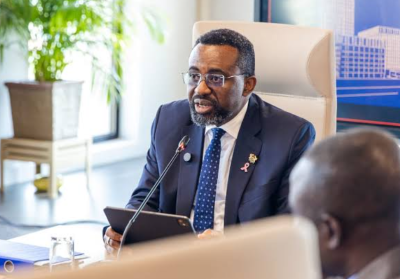
The Bank of Ghana (BoG) is forecasting economic growth of about 6% in the second half of 2026, signalling confidence that the country’s economic recovery will maintain momentum in the months ahead.
The forecast was disclosed by BoG Governor Dr Johnson Asiama on Thursday, August 27, as the central bank assessed the direction of Ghana’s economy and the factors supporting the ongoing recovery.
The projection is significant for businesses, households and investors because stronger economic growth could translate into increased production, investment and economic activity if the recovery is sustained.
BoG forecasts 6% growth as recovery gains momentum
The Bank of Ghana’s latest projection puts economic growth at around 6% for the second half of 2026.
The forecast comes against the backdrop of improvements in Ghana’s macroeconomic conditions and renewed efforts to strengthen economic stability.
For policymakers, sustaining growth while keeping inflation and other economic risks under control remains a major challenge.
The central bank’s outlook will therefore be closely watched by businesses and financial institutions as they make decisions about investment, lending and expansion.
What is driving Ghana’s economic recovery?
The latest forecast suggests that the central bank sees sufficient momentum in the economy to support stronger growth during the second half of the year.
Ghana’s recovery has been supported by developments across several areas of the economy, although the benefits of growth do not necessarily reach all households and businesses at the same pace.
The government has also been implementing measures intended to strengthen fiscal management and improve investor confidence.
The Bank of Ghana’s role will be to maintain monetary and financial conditions that support sustainable growth without allowing inflationary pressures or financial-sector risks to undermine the recovery.
What does 6% growth mean for Ghanaians?
A stronger growth rate generally means that the economy is producing more goods and services.
For ordinary Ghanaians, however, economic growth does not automatically mean lower prices or immediate improvements in household incomes.
The quality of growth matters. Expansion in sectors that create jobs and support businesses can have a more visible impact on households than growth concentrated in areas with limited employment opportunities.
This is why employment, investment and productivity will remain important indicators alongside the headline growth figure.
Businesses still face major challenges
The positive outlook comes as Ghana’s business environment continues to face significant challenges.
The World Bank has warned that high business costs remain a major constraint on Ghana’s growth potential and diversification, highlighting the pressure faced by companies operating in the country.
Issues surrounding energy, financing, infrastructure and the overall cost of doing business can affect how quickly companies respond to stronger economic conditions.
For the 6% growth forecast to translate into broader prosperity, businesses will need an environment that allows them to expand production and create sustainable employment.
BoG outlook comes amid wider economic reforms
The central bank’s forecast also comes at a time when Ghana is seeking to consolidate the gains made from its economic stabilisation efforts.
The government and the Bank of Ghana have been under pressure to maintain fiscal and monetary discipline while supporting economic activity.
The central bank’s assessment will be particularly relevant to investors who are watching Ghana’s currency, inflation, interest rates and overall macroeconomic stability.
A sustained recovery could also strengthen confidence in Ghana’s economy and improve the outlook for private-sector investment.
Growth target faces important tests
Despite the positive forecast, several factors could influence whether the economy achieves the projected rate.
Global commodity prices, energy costs, exchange-rate developments, domestic demand and business confidence could all affect economic performance.
Ghana’s dependence on commodities such as gold and cocoa also leaves the economy exposed to developments in international markets.
The government will therefore need to balance economic expansion with measures aimed at improving productivity and reducing structural constraints.
What happens next?
The coming months will provide a clearer indication of whether the Bank of Ghana’s forecast is being realised.
Economic data on production, investment, employment, inflation and consumer activity will help determine the strength of the recovery.
For now, the central bank’s 6% projection provides a positive signal, but the real test will be whether the anticipated growth translates into improved economic opportunities for businesses and households.
Key details at a glance on Story: BoG Forecasts 6% Growth for Ghana in Second Half
- Forecast: About 6% economic growth.
- Period: Second half of 2026.
- Institution: Bank of Ghana.
- Governor: Dr Johnson Asiama.
- Announcement: Thursday, August 27, 2026.
- Context: Ghana’s economic recovery is gaining momentum.
- Major challenge: High business costs remain a constraint on growth and diversification.
FAQ: BoG Forecasts 6% Growth for Ghana in Second Half
What is the Bank of Ghana’s growth forecast for 2026?
The Bank of Ghana is forecasting economic growth of approximately 6% in the second half of 2026.
What does 6% economic growth mean for Ghana?
It indicates that the central bank expects economic activity to expand at a stronger pace. However, growth alone does not guarantee lower prices or higher household incomes.
What could threaten Ghana’s economic growth?
High business costs, infrastructure constraints, financing challenges and external economic developments could affect the pace and quality of Ghana’s recovery.
The Bank of Ghana’s 6% growth forecast provides a positive outlook for the second half of 2026, but the sustainability of the recovery will depend on whether increased economic activity translates into investment, job creation and improved living standards. Businesses and households will now watch closely to see whether the projected momentum continues through the remainder of the year.
More trending news on GhanaTrends
External authority: Citi Newsroom report and World Bank business-costs report