By GhanaTrends Newsdesk | 27 July 2026, 6:50pm
Commuters across Ghana face the threat of steeper transport fares after the Ghana Private Road Transport Union (GPRTU) warned it will push fares up by 30 percent unless the government acts to tame rising fuel prices.
The warning came on Monday, 27 July 2026, as petrol climbed above GH₵14 a litre and diesel neared GH₵18 at several stations piling fresh pressure on drivers and passengers alike.
GPRTU Warns of 30% Fare Increase Over Rising Fuel Prices

Speaking on Accra-based JoyNews, GPRTU Deputy Public Relations Officer Samuel Amoah said drivers can no longer absorb the cost of petrol, diesel, spare parts, lubricants and taxes, which he said leaves many operators with little or no income after fuelling. The Union said it had given the government a three-day ultimatum to intervene, but the deadline expired last Saturday with no response.
The driving sector is not happy about the current prices,” Amoah said, adding that GPRTU leadership is now seeking an urgent meeting with the Ministry of Transport. “If nothing changes, we cannot do anything other than implement a 30% increase in transport fares, he warned.
Why Fuel Prices Keep Rising
The Chamber of Petroleum Consumers (COPEC) says the increases mirror global market movements and could continue this week. Executive Director Duncan Amoah said prices on international trading benchmarks have gone up, and warned he “will not be surprised” if they climb again in the coming days. He noted that crude supplied to the Tema Oil Refinery is bought on commercial, dollar-indexed terms, meaning local pump prices remain exposed to global swings and the cedi’s exchange rate.
Key Details at a Glance
- GPRTU threatens a 30% transport fare hike if fuel prices are not addressed.
- Petrol has crossed GH₵14 per litre; diesel is nearing GH₵18 at some stations.
- A three-day government ultimatum expired last Saturday with no response.
- COPEC warns pump prices could rise further this week on global trends.
- GPRTU is seeking an urgent meeting with the Ministry of Transport.
What It Means for Commuters and Drivers
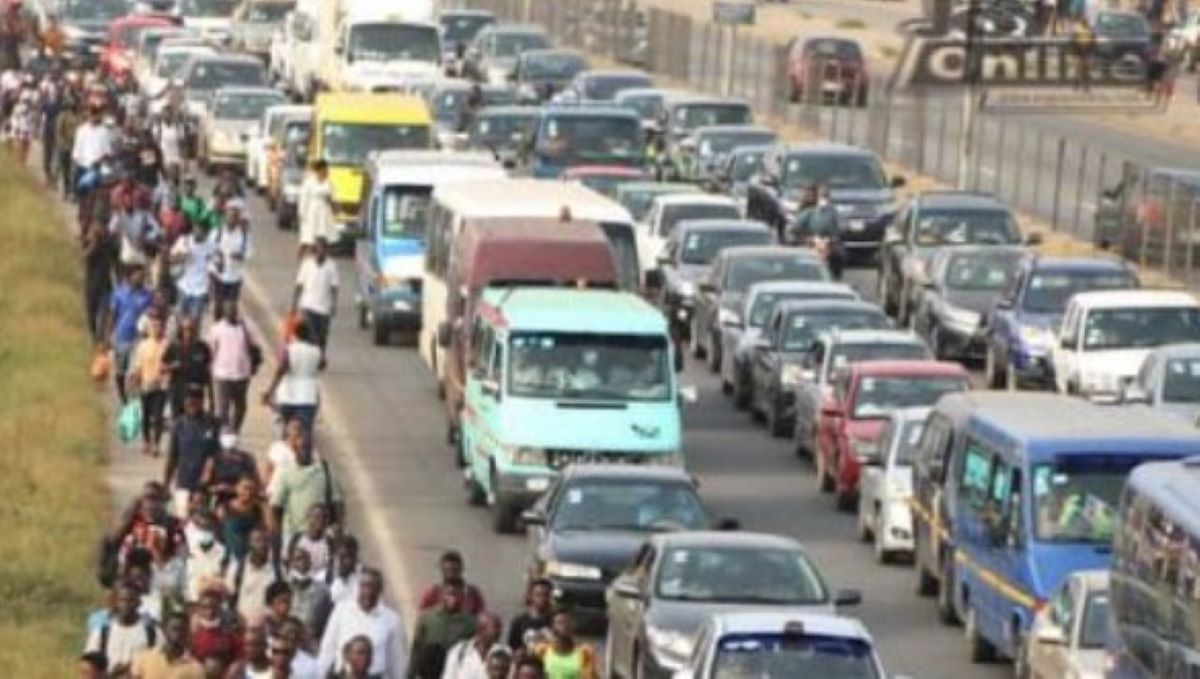
For everyday Ghanaians, a 30 percent jump would hit ‘trotro’ and taxi budgets hard, adding to the squeeze on workers, students and traders already grappling with a high cost of living. Drivers, meanwhile, argue that without relief they cannot keep vehicles on the road, some report spending nearly all their daily takings on fuel. State-owned GOIL currently sells petrol at about GH₵14.38 and diesel at GH₵17.41, while Star Oil recently raised petrol to GH₵14.47 and diesel to GH₵17.67, citing global prices and the exchange rate.
Frequently Asked Questions
How much could transport fares rise in Ghana?
The GPRTU says fares could go up by 30 percent if the government does not act to reduce fuel prices, though no fare adjustment has been formally implemented yet.
Why are fuel prices increasing in Ghana right now?
COPEC attributes the rise to higher international crude and refined product prices and cedi-dollar movements, with local pump prices tracking global benchmarks.
What is the current price of petrol and diesel in Ghana?
As of 27 July 2026, petrol has crossed GH₵14 per litre and diesel is nearing GH₵18 at some stations, above the NPA floor prices of GH₵13.28 and GH₵14.35.
With talks between transport unions and the Transport Ministry still pending, commuters are advised to watch for official announcements before any fare changes take effect. GhanaTrends will update this story as it develops.
Related: Trending in Business
Halmblog Celebrity News – Ras Kuuku speaks about Daddy Lumba